


Oesophageal Cancer is often not widely talked about, yet it remains one of the cancers often associated with poorer outcomes.
Increasing awareness of the signs and symptoms is crucial to improving early diagnosis and expanding treatment options for patients.
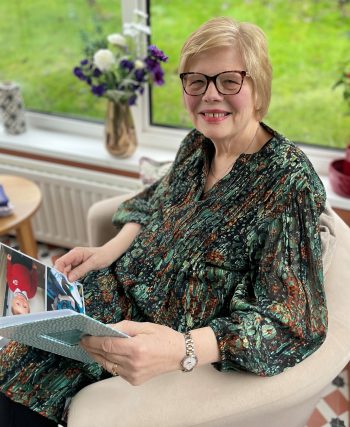
73 year old Lesley McDowell who lives in Holywood, Co Down was diagnosed with Oesophageal Cancer at the Ulster Hospital in March 2024 and went on to receive her treatment at Belfast City Hospital.
As part of Oesophageal Cancer Awareness Month this February, Lesley is sharing her cancer journey highlighting this often overlooked cancer and encouraging people to recognise warning signs early and seek medical advice promptly.
Lesley explained, “I have had a condition called Achalasia for years. My oesophagus was basically paralysed, so I always had to drink a lot of fluid and rely on gravity to take food down. Because of that, when symptoms first appeared, I was not particularly alarmed.
“But I would say to anyone with a history of Achalasia, or any oesophageal problems, be aware. For me, the significant symptom was bringing up blood. It happened twice. The first time I was told if it did not happen again not to worry, but if it did, to get checked.”
When it happened a second time, Lesley collapsed at home and was advised by her GP to attend the Emergency Department.
“I went to the Emergency Department at the Ulster Hospital thinking I would be sent home. I was admitted to the Gastroenterology ward and very quickly put on an urgent pathway for investigations. In March 2024 they discovered I had a malignant tumour.
“From then, everything moved quickly. I had radiotherapy, some chemotherapy and then major surgery in September 2024 where my oesophagus was removed. It was a massive operation, but I had tremendous treatment and I have been very blessed that it was successful. So far, I am cancer-free.”
Receiving a cancer diagnosis can be life-changing, but Lesley reflects on her experience with remarkable positivity.
“It was difficult, of course. But I always felt positive. I knew it had been caught early and that made a huge difference. The staff were incredibly supportive and I always felt I was in the right place receiving the right treatment.”
Lesley is now raising awareness of a cancer many people know little about.
“Oesophageal Cancer is not talked about very much. It is one of the less survivable cancers, but treatment and surgery have advanced so much in recent years.
“If people who have never had oesophageal problems start noticing difficulty swallowing, they should see their GP. And if you have had a history like mine, any change, especially bringing up blood, get checked immediately. If it is caught early, it can be treated. I am proof of that.”
South Eastern Trust, Macmillan Upper GI Clinical Nurse Specialist, Joanne Flynn emphasised the importance of recognising symptoms early. “Oesophageal cancer affects the oesophagus, the food pipe that carries food and drink from the mouth to the stomach. As Clinical Nurse Specialists, we support patients and families throughout their journey, from diagnosis through treatment and into recovery or supportive care.
“Early detection plays a vital role in improving outcomes. Unfortunately, symptoms can often be subtle and mistaken for common conditions such as indigestion or reflux. Raising awareness is therefore vital.
“The signs and symptoms to be aware of include, difficulty or pain when swallowing, sensation of food sticking in the throat or chest, persistent heartburn or acid reflux, unexplained weight loss, chest pain or discomfort, ongoing cough or hoarseness, vomiting or regurgitation, fatigue or symptoms of anaemia.
“Prompt assessment and referral for investigations such as endoscopy can lead to earlier diagnosis and improved treatment options.”
Following her surgery, Lesley has adapted to lifestyle changes but continues to live life fully. Lesley added, “I have had to change my eating habits and be careful with certain foods, but it is manageable. I am still able to do most of the things I always did.
“Cancer has changed my outlook. I value every day and every moment with my family. My daughters and grandchildren have been so supportive. Going through cancer makes you realise how important that time together is.
“If sharing my story helps even one person seek help sooner, then it is worth it.”